Women's health care that connects
hormones, weight, mood and everyday life.
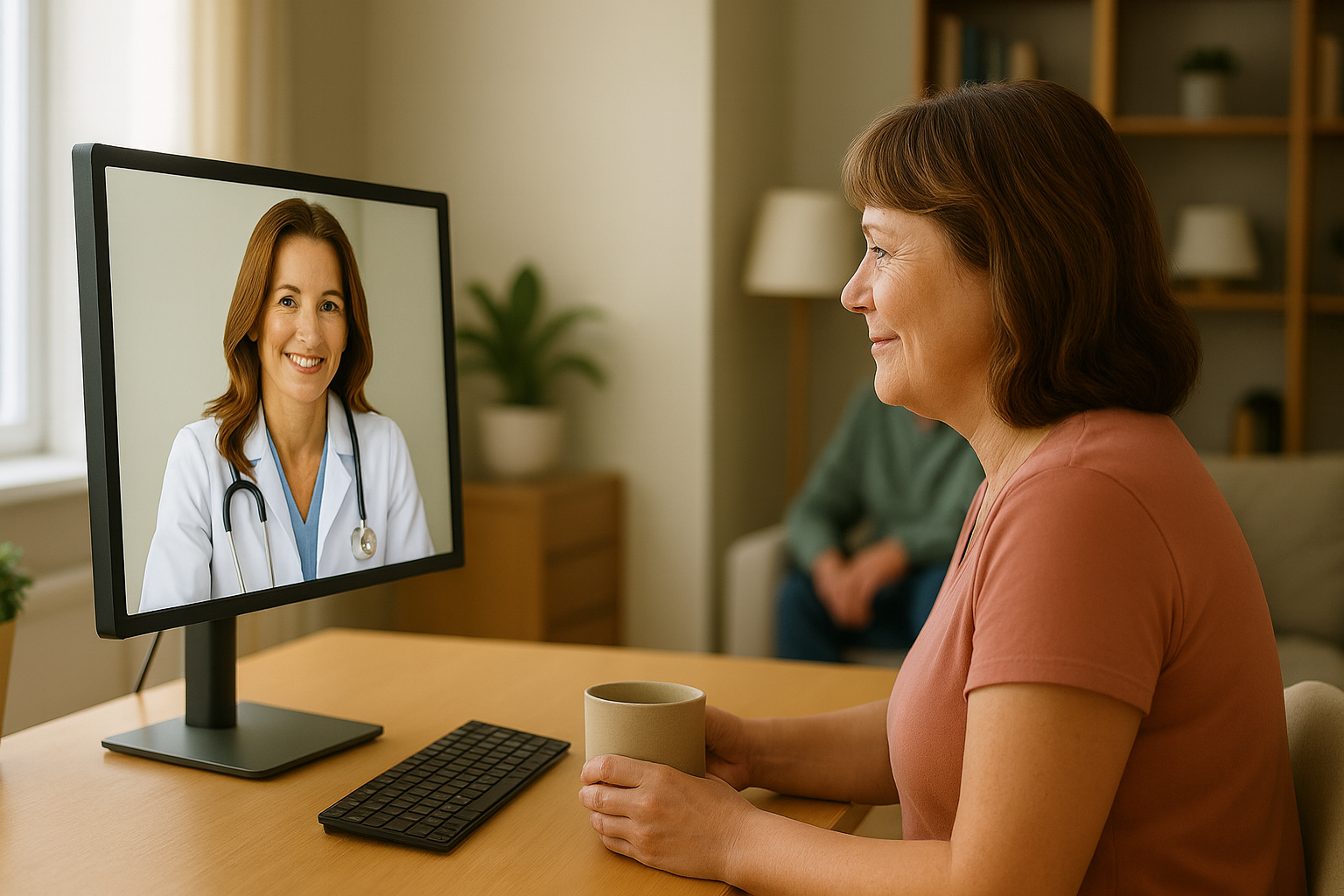
Women's Health Telemedicine is built for women who want more than a rushed visit and a single prescription. Nurse practitioner Barbara Hearle, NP and collaborating physician Michael Hoffman, MD focus on how hormones, thyroid, weight, pelvic health, sleep, mood and relationships interact — so treatment plans feel coherent, not fragmented.
Perimenopause, menopause, PMS/PMDD, thyroid issues, libido changes, vaginal discomfort, incontinence, weight changes and fatigue are approached as connected parts of your health, not separate checkboxes. Telemedicine visits are private, detailed and designed around real life.
- Menopause & perimenopause hormone therapy, tailored to your risks and goals
- Dedicated medical weight-loss treatment integrated with hormone and mental health
- Pelvic & bladder concerns, thyroid, skin, hair and preventive screening planning
A connected approach to women's health.
Instead of treating hormones, weight, sexual health, bladder symptoms and mood as separate issues, this practice looks at how they interact — and builds a plan that makes sense for your body and life stage.
Hormones & menopause
Detailed evaluation of perimenopause and menopause, including hot flashes, night sweats, sleep disruption, brain fog and mood changes. Discussion of estrogen, progesterone and testosterone options, along with thyroid function and other contributors to fatigue and weight change.
Sexual health & comfort
Low libido, vaginal dryness, painful intercourse, medication-related changes and relationship stress are addressed in the same conversation. Treatment can include vaginal estrogen, DHEA, lubricants, pelvic floor therapy guidance and, when appropriate, female testosterone therapy.
Pelvic & bladder health
Leaking with coughing or sneezing, urges that are hard to control, frequent UTIs and postpartum changes are common but not “just how it is now.” Telemedicine clarifies what is happening and what can be done — from exercises and behavioral strategies to medication and referral when needed.
Cycles, periods & fertility
Heavy or irregular periods, PCOS, painful cycles, PMS/PMDD, preconception questions and birth control options (including postpartum options and emergency contraception) are reviewed with an eye toward both symptom relief and long-term health.
Metabolism, weight & energy
Fatigue, weight gain, insulin resistance, bloating and “I just don’t feel like myself” are explored through labs, lifestyle and structured medical weight-loss treatment. Medications such as GLP-1s, phentermine, Contrave and others are considered when medically appropriate and always tied to hormones, mood and sleep rather than used in isolation.
Mood, sleep, skin & hair
Mood swings, anxiety, sleep changes, postpartum emotional shifts, acne, hair thinning, melasma and postpartum hair loss are common threads in women’s health. They are treated as important signals, not cosmetic afterthoughts.

What can be addressed through telemedicine.
Below are examples of what can often be evaluated and managed through women's health telemedicine, sometimes in collaboration with your local OB/GYN, primary care or specialists.
- Menopause hormone replacement therapy (estrogen, progesterone, combined regimens)
- Perimenopause symptom management (cycles that are changing, heavier or closer together)
- Evidence-based guidance on “bioidentical” hormone therapy (what is marketing vs. what is real)
- Testosterone therapy for women when appropriate (low libido, low energy, mood changes)
- Thyroid evaluation and treatment (hypothyroidism, Hashimoto’s, subclinical thyroid issues)
- Post-hysterectomy hormone optimization (with and without ovaries)
- Hormonal evaluation for fatigue, brain fog, mood swings and sleep problems
- PCOS hormonal management, including cycles, metabolic risk and fertility considerations

- Low sex drive/low libido evaluation and treatment options
- Vaginal dryness, burning and painful intercourse (dyspareunia) and genitourinary syndrome of menopause
- Vaginal estrogen options (creams, rings, tablets) and what is actually absorbed systemically
- DHEA (prasterone) vaginal therapy for dryness, discomfort and libido
- Guidance on pelvic floor physical therapy and referral options
- Female testosterone optimization when appropriate, with careful attention to dosing and side effects
- Medication-induced changes in libido (for example, SSRIs and some other antidepressants)
- How stress, mental health and relationship context can be included in a medical plan when desired
- Birth control prescriptions (pill, patch, ring) with discussion of pros, cons and mood effects
- Progestin-only pills and postpartum birth control options
- Emergency contraception (morning-after pills such as Plan B and Ella)
- Management of heavy or irregular periods, including possible causes and next steps
- PCOS fertility counseling and metabolic risk discussion
- PMS and PMDD treatment options (including SSRI and hormonal strategies)
- Pre-conception counseling and planning around existing conditions and medications
- Painful periods (dysmenorrhea) evaluation and initial management
- Initial symptom management and discussion of endometriosis, with referral when appropriate

- Yeast infection diagnosis and treatment, including recurrent patterns
- Bacterial vaginosis (BV) treatment and recurrence strategies
- Chronic or recurrent vulvovaginal symptoms (itching, burning, irritation, discharge)
- Urinary tract infection (UTI) diagnosis and treatment, and when to look for other causes
- STI screening, management, counseling and partner treatment guidance
- Vaginitis workup framework, including non-infectious causes to consider

Incontinence and pelvic symptoms are common — but not “just your new normal.”
Leaking urine, strong sudden urges, postpartum bladder changes and pelvic pressure are extremely common, especially after childbirth or around menopause. They deserve the same thoughtful attention as any other medical problem.
- Stress urinary incontinence (leakage with coughing, laughing, sneezing or exercise)
- Urge incontinence and overactive bladder (strong sudden urges, not making it in time)
- Mixed incontinence (both stress and urge components)
- Postpartum leakage and pelvic heaviness
- Frequent urination and nighttime trips to the bathroom
- Distinguishing recurrent UTIs from overactive bladder or other causes

- Detailed history of symptoms, triggers, fluid intake, childbirth history and prior surgeries
- Pelvic floor exercises and behavioral strategies that can be tried at home
- Discussion of pelvic floor physical therapy and how to access it locally
- Medication options for overactive bladder when appropriate
- When pessaries, in-office procedures or surgery might be considered — and referral for those
- Integration of bladder care with menopause treatment, vaginal estrogen and sexual health

Weight-loss treatment, metabolism, mood, skin and chronic conditions.
Many concerns that show up in women’s health — weight changes, fatigue, migraines, postpartum shifts, skin and hair changes, blood pressure, thyroid issues — can be safely managed or co-managed by telemedicine, with local labs and imaging when needed.
- Structured medical weight-loss treatment when appropriate, including GLP-1s, phentermine, Contrave and related options
- Metabolic health evaluation (insulin resistance, A1C, fasting insulin, lipid patterns)
- Gut health issues such as bloating and IBS-like symptoms, and how they relate to hormones
- Fatigue evaluation including iron, thyroid and B12 status
- Postpartum weight planning, including realistic timing and expectations
- Nutrition strategies tailored to hormonal stage (perimenopause, postpartum, menopause)

- PMDD treatment using SSRIs, hormonal strategies or both
- Screening for postpartum depression and guidance on where and how to get help
- Medication management for mild to moderate anxiety and depression when appropriate
- Sleep issues related to hormonal changes, vasomotor symptoms and life stress

- Hormonal acne treatment strategies, including topical and systemic options
- Hair thinning and shedding (female pattern hair loss and diffuse shedding)
- Topical and oral minoxidil regimens and realistic expectations
- Postpartum hair loss guidance and reassurance
- Melasma and pigmentation treatment options and prevention strategies

- Morning sickness and nausea treatment options
- Early pregnancy counseling (what to expect, what to watch for, when to seek in-person care)
- Review of medication safety in pregnancy for non-emergency questions
- Postpartum healing issues that can be discussed via telemedicine, with referral when urgent
- Breastfeeding and medication safety using resources such as LactMed

- Hypothyroidism and Hashimoto’s thyroiditis ongoing management
- Basic hypertension medication refills and follow-up when stable
- Headache and migraine treatment, including menstrual migraines
- Autoimmune symptom screening and referral guidance for in-depth evaluation
- Bone health and osteopenia screening and early prevention strategies

- Medication refills for stable, non-controlled chronic conditions when appropriate
- Supplement recommendations (for example, vitamin D, magnesium, omega-3, B12)
- Lab orders for hormones, metabolic panels, thyroid function and vitamin levels
- Preventive screening planning (mammograms, colon screening, bone density, cervical cancer screening)

About your women's health team.
Your care is led by a nurse practitioner with a focus on women's health and hormone care, with medical collaboration from a board-certified physician. The goal is to combine thorough listening with evidence-based medicine, not to rush you through a script refill.

Barbara focuses on the day-to-day realities of women's health: cycles that change without warning, sleep that no longer feels restorative, shifts in libido and vaginal comfort, bladder symptoms, weight that behaves differently than it used to and the overlap of all of this with work, caregiving and relationships.
Her visits emphasize conversation, clarity and practical plans — from hormone therapy and thyroid management to pelvic floor strategies, weight medications, mood support and preventive care.

Dr. Hoffman is a board-certified urologist with extensive experience in hormone therapy, pelvic health, sexual health and telemedicine-based care. He collaborates on cases that benefit from physician-level input, while keeping care centered and coordinated through your primary telemedicine provider.
Together, the goal is to avoid fragmented care: your hormone, pelvic, metabolic and mental health concerns are viewed together rather than handed off in isolation.
Questions many women ask.
These answers are general and do not replace a personal consultation. Recommendations are always tailored to your specific health history, risk factors and goals.
Is this a replacement for my OB/GYN or primary care doctor?
No. Telemedicine can complement local care, but it does not fully replace in-person visits. Many concerns can be evaluated and managed primarily through telemedicine with local labs and imaging. Others require in-person exams, procedures or urgent evaluation. Part of the visit is clarifying which category you are in.
Can I start or adjust hormone therapy through this service?
In many cases, yes. Menopause and perimenopause hormone therapy, thyroid medications and certain other hormone-related treatments can be managed by telemedicine, with appropriate labs and risk assessment. Decisions about hormone therapy are always individualized and never guaranteed in advance of a visit.
Can you help with incontinence and pelvic floor issues?
Many women can begin evaluation and treatment planning for incontinence and pelvic symptoms via telemedicine, including bladder diaries, pelvic floor strategies, medication options and referral to in-person pelvic floor therapy or urogynecology when appropriate.
Do you prescribe weight-loss medications like GLP-1s?
When medically appropriate and safe for your specific health profile, weight-loss medications (including GLP-1s and others) may be part of a broader plan that also addresses nutrition, movement, sleep, hormones and mental health. These medications are never used in isolation or promised without a proper evaluation.
Is this an emergency or urgent care service?
No. This practice does not handle emergencies. Heavy bleeding, severe pain, signs of stroke or heart attack, high fever, chest pain, sudden shortness of breath, severe abdominal pain or any rapidly worsening symptom require immediate in-person care. For emergencies, call 911 or go to the nearest ER.
What if I’m not sure whether telemedicine is appropriate?
The call-back request form is designed to help sort that out. Your initial communication can clarify whether telemedicine is likely to be useful, what information would be helpful to gather, and when in-person care or local specialists are a better starting point.
Request a private call back.
There is no automated booking widget or chatbot here. Your message goes directly to the women's telemedicine team, and your information is treated confidentially.
Call-back request form
You can also email directly at urologydoctor@gmail.com. Please do not use this form or email for urgent or emergency issues.
What to expect
After you submit the form, you will receive a response outlining whether telemedicine is appropriate for your situation, what prior records or labs are useful to gather, and what an initial visit would look like in terms of structure and cost.
This site is for general information and does not create a clinician–patient relationship on its own. Recommendations are only made in the context of an actual consultation. This is not an emergency service.